Substance
The roof leads, not the sales graphic.
Mounting, waterproofing, shading and electrical work are clarified on the actual building — not on a model.
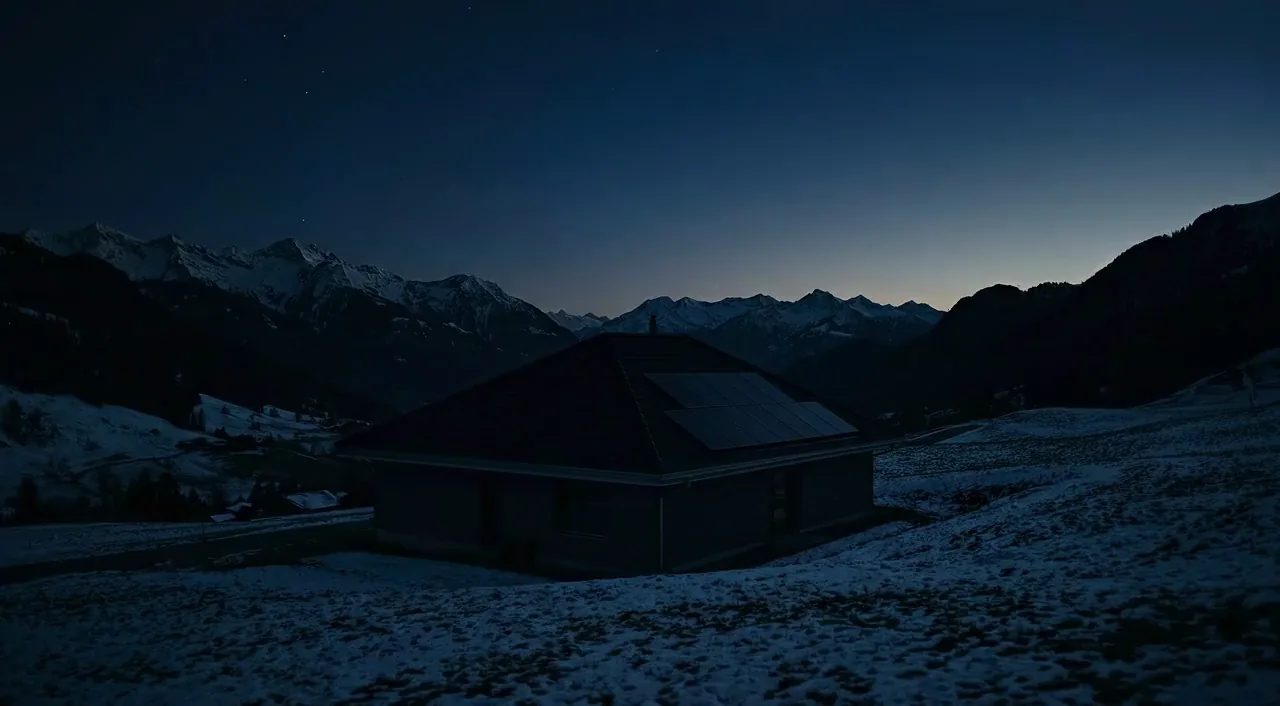
COMPLETE PV SYSTEMS · OPTIONAL STORAGE
The Canton of Geneva offers a very attractive PV environment with around 1,900 sunshine hours, high household electricity prices (30–32 Rp./kWh), and an active utility (SIG). In 2026 SIG pays a fixed 10.96 Rp./kWh for fed-in solar electricity (up to 100 kWc) and, from 1 Jan 2026, tops up the Pronovo one-time payment via the Prime solaire (25% for 2 to <30 kWc, 15% for 30 to 100 kWc) plus a battery storage contribution of CHF 130/kWh. Pronovo, ZEV models, and the full tax deduction apply on top.
Geneva is the only Romande canton with a dominant full-service utility: SIG bundles electricity, gas, water, district heating, and telecom. This greatly simplifies ZEV projects and neighbourhood solutions because all grid questions are answered by a single partner.
Costs, storage, single-family home
Three questions decide almost every project before a roof is ever measured. Here they are with source and date, so it stays clear what each figure rests on.
Costs
Example: 5–10 kWp rooftop PV: CHF 13,500–27,000. Incl. 8.1% VAT, before incentives and tax deductions, without a battery. Calculated from the SFOE median of CHF 2,497/kWp: the range reflects different system sizes. A market comparison, not a quote.
Roof renovation, structural reinforcement and replacement of the meter cabinet are not included. Roof access, electrical work and planning can change the price. Your specific quote follows the property assessment.
Costs with calculation and sourcesSizing
A typical household using around 4,000 kWh per year needs roughly 25 m² of module area (Swissolar, February 2024). As a starting figure, global irradiation in Canton Genf is around 1100 kWh/m² per year. Whether that works on your roof in Genf depends on orientation, pitch and shading — not on the floor plan.
Two federal bonuses explicitly do not apply to a single-family home: the winter electricity bonus requires at least 100 kW, and the tilt bonus at least 75 degrees of pitch. Neither applies to an ordinary pitched roof. Counting on them makes the business case look better than it is.
Clarify notification and permission before installationStorage
Battery storage earns its money through self-consumption. Electricity you use yourself saves not only the energy price but also grid fees and levies — which is why it is worth more than exported electricity. That is what decides whether a battery pays off.
Since 1 January 2025, an association for self-consumption (ZEV) may also use the existing connection lines. This makes apartment buildings and neighbourhood setups considerably cheaper, as no dedicated line is required. Relevant grid operators in Canton Genf: SIG (Services Industriels de Genève).
When battery storage makes senseSources: SFOE price survey 2025 · 03 Aug 2026 · FTA: VAT rates · Swiss Federal Office of Energy, factsheet on PV promotion (PDF) · Pronovo, one-time payment for PV · Swissolar, photovoltaics factsheet (February 2024)
Services
PV system, heat pump, storage, wallbox and monitoring from one team. Every service is planned as part of a working energy system.
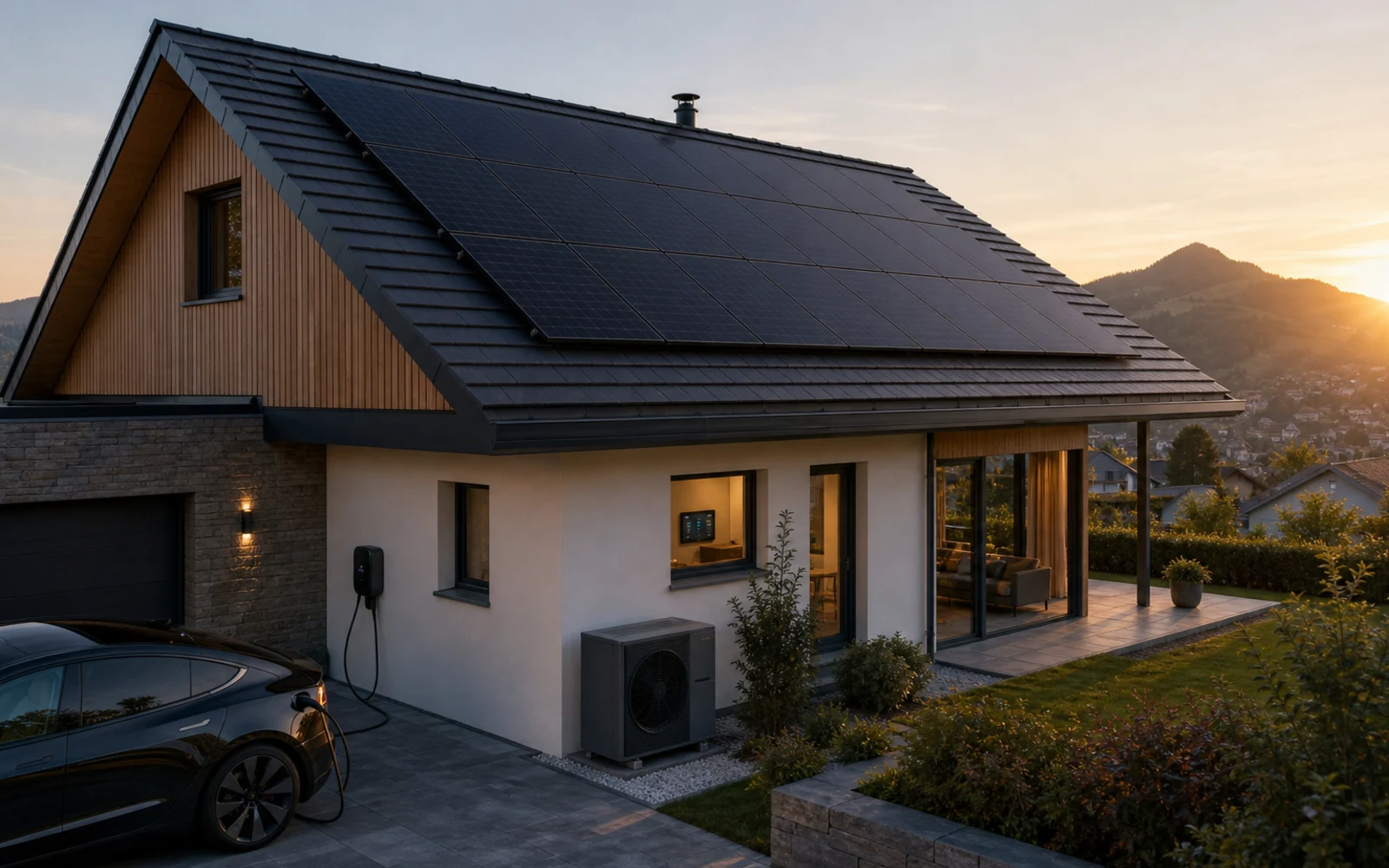
01 · Roof & facade
We review roof, structure, shading, cable routing, inverter and grid connection. Then we create a technically reliable quote.
Roof review · Electrical coordination · Commissioning
01 / 05
Process
From first contact to commissioning, every system follows a clear process. We clarify roof, electrical work, incentives and expansion path completely. Only then do you receive a reliable quote. No site chaos, no wishful math.
Your key details are enough for a first, honest orientation — no appointment, no obligation.
We measure the roof by drone and clarify electrical work, regulations and the grid operator.
You see every line item individually, realistic ranges and sensible options such as storage or a wallbox.
We coordinate execution, registration, acceptance and documentation until your system is reliably connected to the grid.
Swiss facts
Applies to residential and commercial properties.
Economics
We map self-consumption, feed-in tariff and payback for your property — so you see early what the system realistically returns.
Proof
Our quotes are not built from flat packages, but from checked data, technical pre-assessment and clearly itemized positions.
Planning basis
Roof potential, irradiation and addresses are checked against GeoAdmin and BFE Sonnendach: the same datasets used by federal and cantonal bodies.
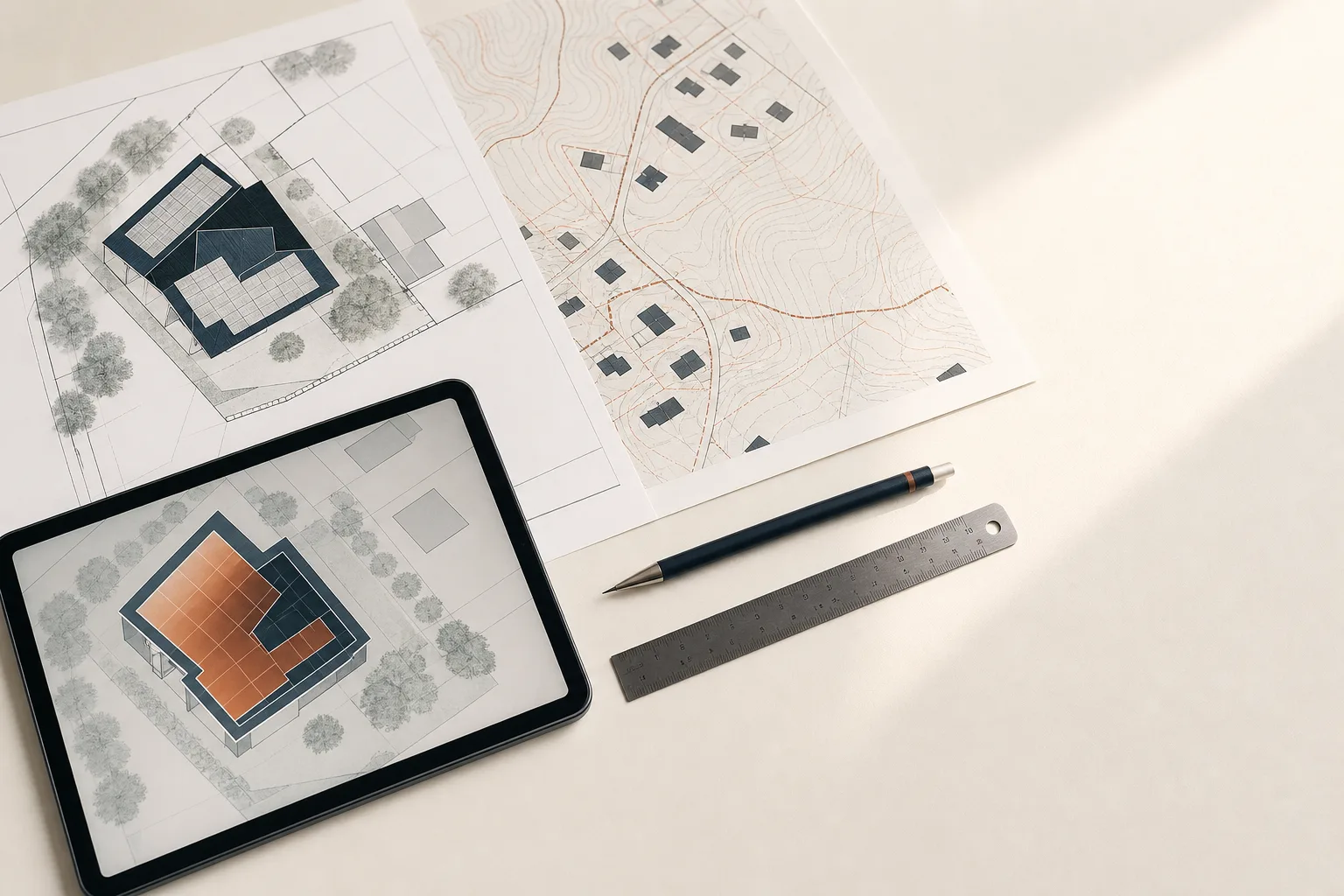
Property review
The initial estimate gives realistic orientation. For the final quote, we capture roof areas, access and technical conditions through a 3D survey (drone) and on-site review — precise, not based on satellite assumptions.
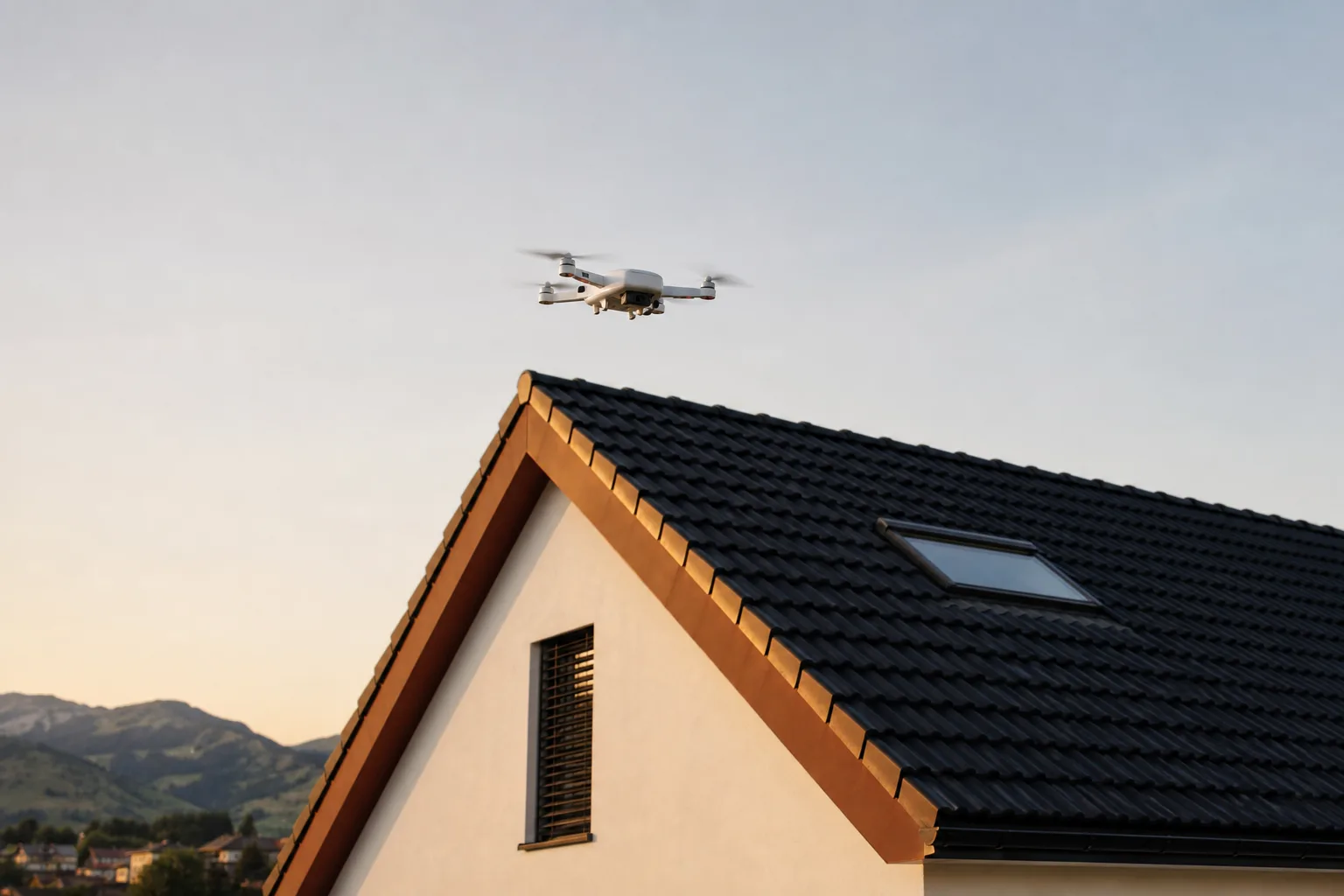
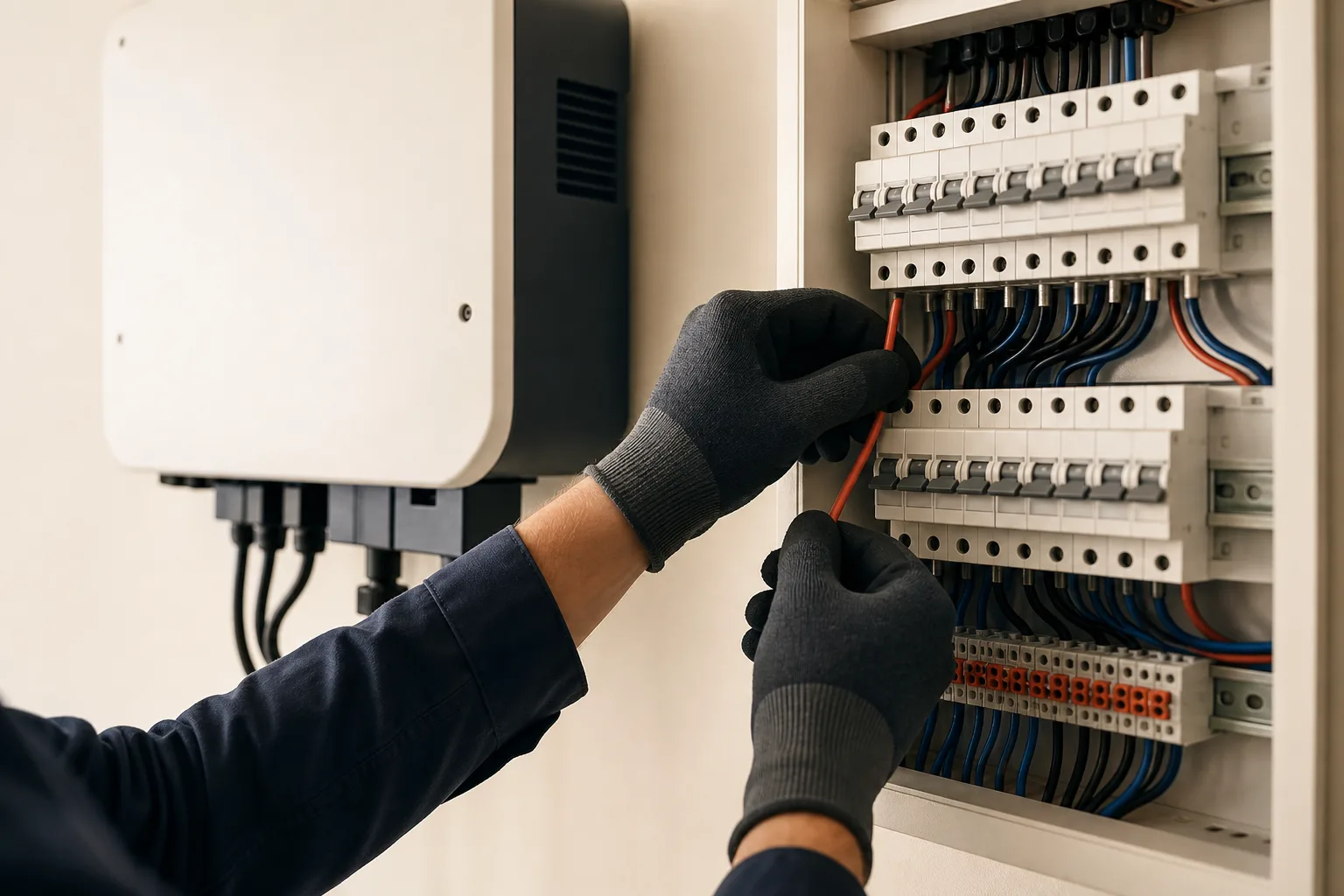
Electrical
From electrical planning through protection equipment to grid registration: all safety-critical steps are carried out by licensed electrical professionals, in-house or through vetted partners.
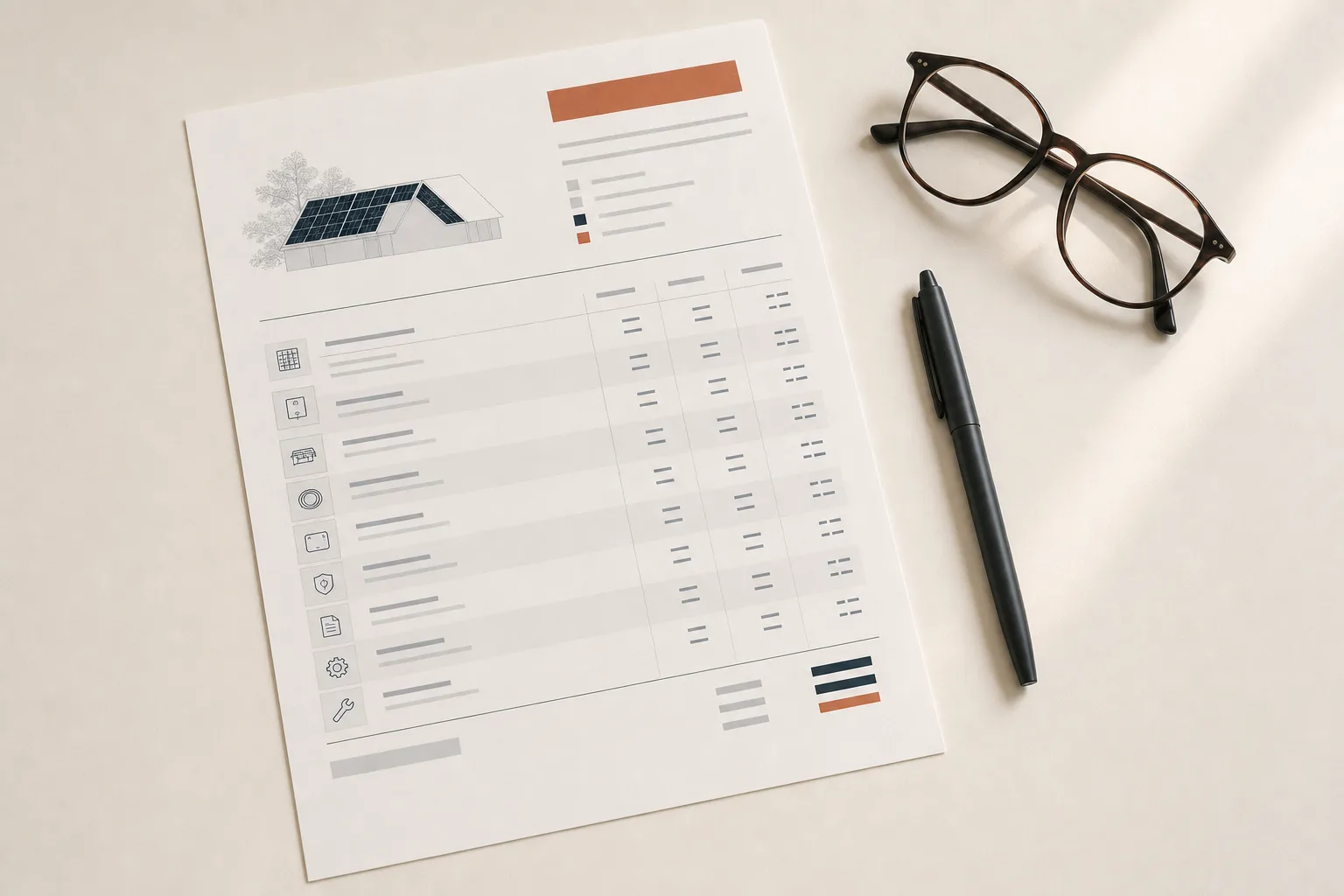
Quote
Every line item is shown individually instead of hidden in a flat package — so variants and ranges stay traceable from the start.
Execution standard
Regional clarification
In Switzerland, permits, grid operator, metering concept and incentive path always depend on the property, municipality and canton. These are exactly the points clarified early before a quote becomes binding.
That avoids a generic promise and creates a well-founded assessment that fits the region and the building.
Components by









The Founders
You know before signing who calculates your project and who builds it. Behind that are two founders with two areas of expertise — engineering and finance — and the conviction that a solar system only works long-term when both fit together from the start.
Christian Freiberger
CFA · former KPMG Senior Manager
Co-Founder · Strategy & Finance
Independent management consultant since 2015, previously Senior Manager at KPMG. Most recently Interim Treasury Manager at an energy storage manufacturer. Christian brings the financial structure: liquidity planning, transparent calculations and no project whose numbers don’t add up.
Marc Hammerschmidt
B.Eng. Mechanical Engineering
Co-Founder · Engineering & Planning
Marc handles the technical side: planning, structural analysis, system integration and execution that remains traceable a decade later. An engineering mindset means no improvisation, only well-reasoned solutions for every roof.
Next step
Questions about your roof? We’ll go through them with you personally — the initial estimate is the easiest way in.
Building in focus
Full-black, in-roof or flat-roof: in Genf we plan not for a datasheet, but for a building that has to stand up architecturally and within its local context.
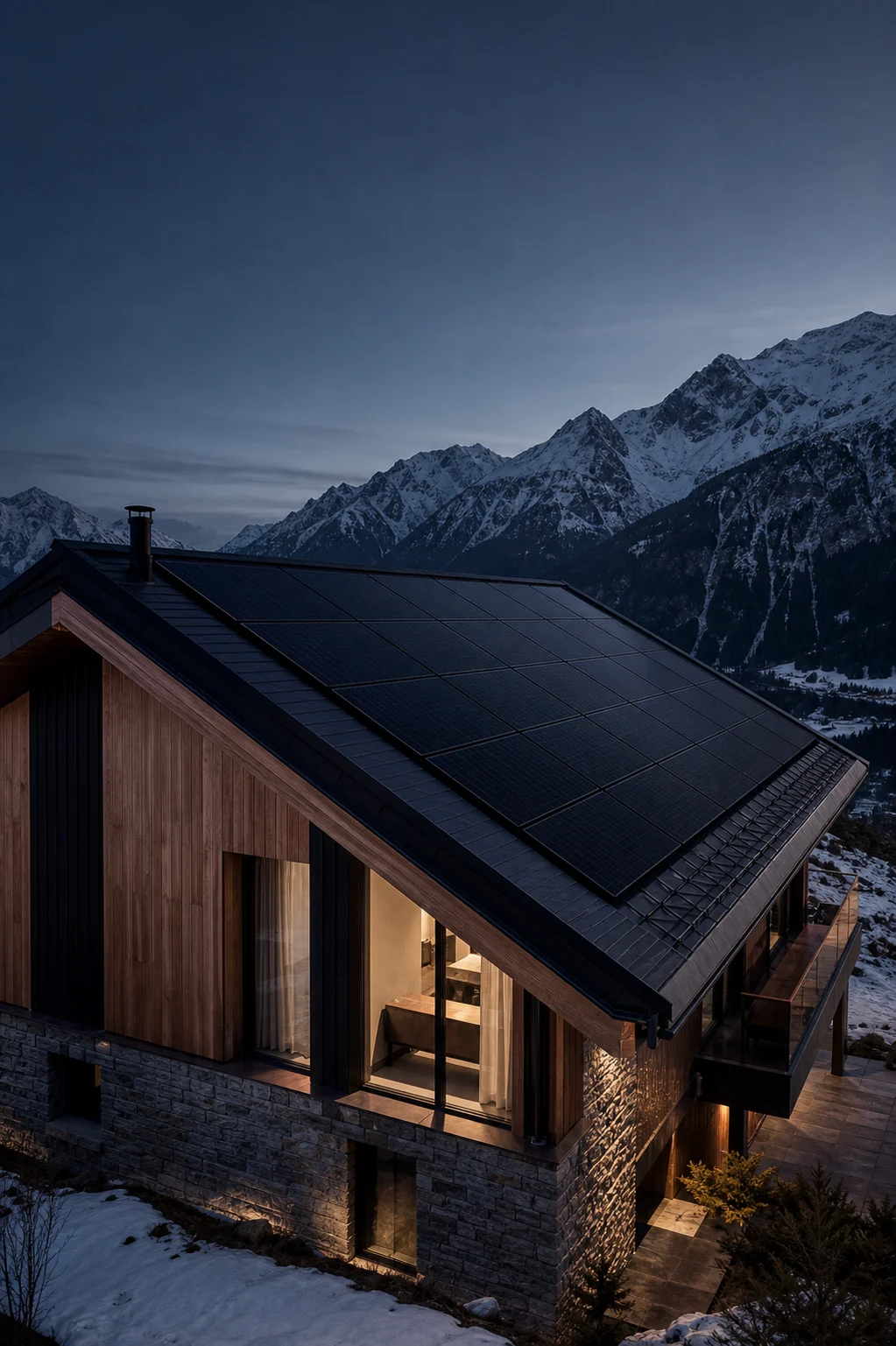
Architecture first
In Genf, materiality, visual lines and technical details are aligned so the system fits the design language and performs cleanly over time.
Mounting, waterproofing, shading and electrical work are clarified on the actual building — not on a model.
The system grows precisely into the building: tight penetrations, protected facade, modules sliding into the rails, and an aesthetic that fits the architecture instead of disturbing it.
The inverter, registration and documentation are done, cable routes and labels stay traceable, and the roof becomes a calm, reliable energy source for everyday use.
Mounting, waterproofing, shading and electrical work are clarified on the actual building — not on a model.
The system grows precisely into the building: tight penetrations, protected facade, modules sliding into the rails, and an aesthetic that fits the architecture instead of disturbing it.
The inverter, registration and documentation are done, cable routes and labels stay traceable, and the roof becomes a calm, reliable energy source for everyday use.
Clarity before commitment
The key points are explained clearly, factually and without artificial urgency. For details, we assess your property in its project context.
Canton check
Many projects start with a rough roof idea. We translate it into a verifiable concept with layout plan, cable routes, safety logic and documented handover.
Canton Genf has its own rules for subsidies, permits and grid connection. We check them before quoting and record them in the project documentation.
Canton Genf guideline: approx. 1100 kWh/m² global irradiation per year.
Relevant grid operators in the canton: SIG (Services Industriels de Genève). Metering concept and registration are clarified before execution.
Roof-mounted systems on standard buildings in Geneva require notification but no permit – the construction notice (avis d'ouverture de chantier) must be filed at least 14 days before work starts. For listed objects, systems in the Zone de protection du vieux Genève, and facade installations on protected buildings, a building permit is required. The Office cantonal de l'énergie (OCEN) provides guidance; an OCEN subsidy request must reach the office at least 14 days before construction begins.
Geneva is shaped by Services Industriels de Genève (SIG). From 1 Jan 2026, the SIG Prime solaire tops up the Pronovo one-time payment: 25% for systems of 2 to <30 kWc and 15% for 30 to 100 kWc. There is also an SIG battery storage contribution of CHF 130/kWh (max. 15 kWh). The SIG feed-in tariff is a fixed 10.96 Rp./kWh in 2026 (systems up to 100 kWc). ZEV and contracting models apply on top. For private owners, Pronovo and the full tax deduction are the main pillars.
Your key details produce a first orientation on price range, incentives and payback — a solid basis to talk through your project.
A realistic span for your roof — not a rounded sales promise.
Electrical scope, metering and grid connection belong to the calculation from the start, not to a surprise afterwards.
If it fits, a traceable quote follows. If it doesn’t, we’ll tell you that openly.
Start here
Quick to complete, concrete as a starting point for your building — and no obligation.
Direct contact
If you prefer to speak directly or already have documents and project context at hand, you can reach us through the usual channels.
Works well for
Roof plans, photos, existing quotes, questions around electrical coordination or already defined project timelines.
Phone
Location
Kirchweg 32, 8102 Oberengstringen, Zürich, CH
Coverage
Complete PV systems with planning, installation, electrical coordination and commissioning across all German-speaking cantons.
Core services
The key services, tailored directly to Genf and the local requirements in your region.
Regional service
In Canton Genf, clean project logic and clear ownership between roof and electrical work matter most. Geneva is the only Romande canton with a dominant full-service utility: SIG bundles electricity, gas, water, district heating, and telecom. This greatly simplifies ZEV projects and neighbourhood solutions because all grid questions are answered by a single partner.
Regional service
In Canton Genf, defensible quotes, clean project steering and commissioning without loose ends matter most. In the Canton of Geneva, the SIG Prime solaire tops up the Pronovo one-time payment from 1 Jan 2026: 25% for systems of 2 to <30 kWc and 15% for 30 to 100 kWc. There is also an SIG battery storage contribution of CHF 130/kWh (max. 15 kWh) plus the full tax deduction. Register the application before construction starts – rates are updated periodically.
Regional service
In Canton Genf, flat roofs on commercial buildings and multi-family homes represent the largest untapped solar area. Geneva consistently implements MuKEn principles. New buildings and major renovations must meet self-generation requirements; heating replacements clearly favour renewables. PV systems combined with heat pumps or district heating complements are the recommended standard.
Further reading
These guides answer the questions that come up most often before deciding on a solar installation.
In 2026, the SIG Prime solaire supplements the Pronovo one-time incentive: 25% of the PRU for 2 to under 30 kWc and 15% for 30 to 100 kWc. Self-consumption, commissioning and Pronovo certification are decisive.
Geneva requires sites consuming more than 0.2 GWh per year to equip suitable roof areas with PV by 2030. The decisive points are the definition of suitable areas, priority for self-consumption and proof of any exemption to OCEN.
The locations directory gives you an overview of all cantons and municipalities and takes you straight to the information for your region.
