










System step
About 2 minutesInitial estimate
Your key details are enough for a first, honest orientation — no appointment, no obligation.

SOLAR · STORAGE · HEAT PUMPS
Solar systems in Glarus require coordinated planning between roof, electrical and grid operator. That is exactly what we deliver – headquartered in Zurich with projects across German-speaking Switzerland.
Services
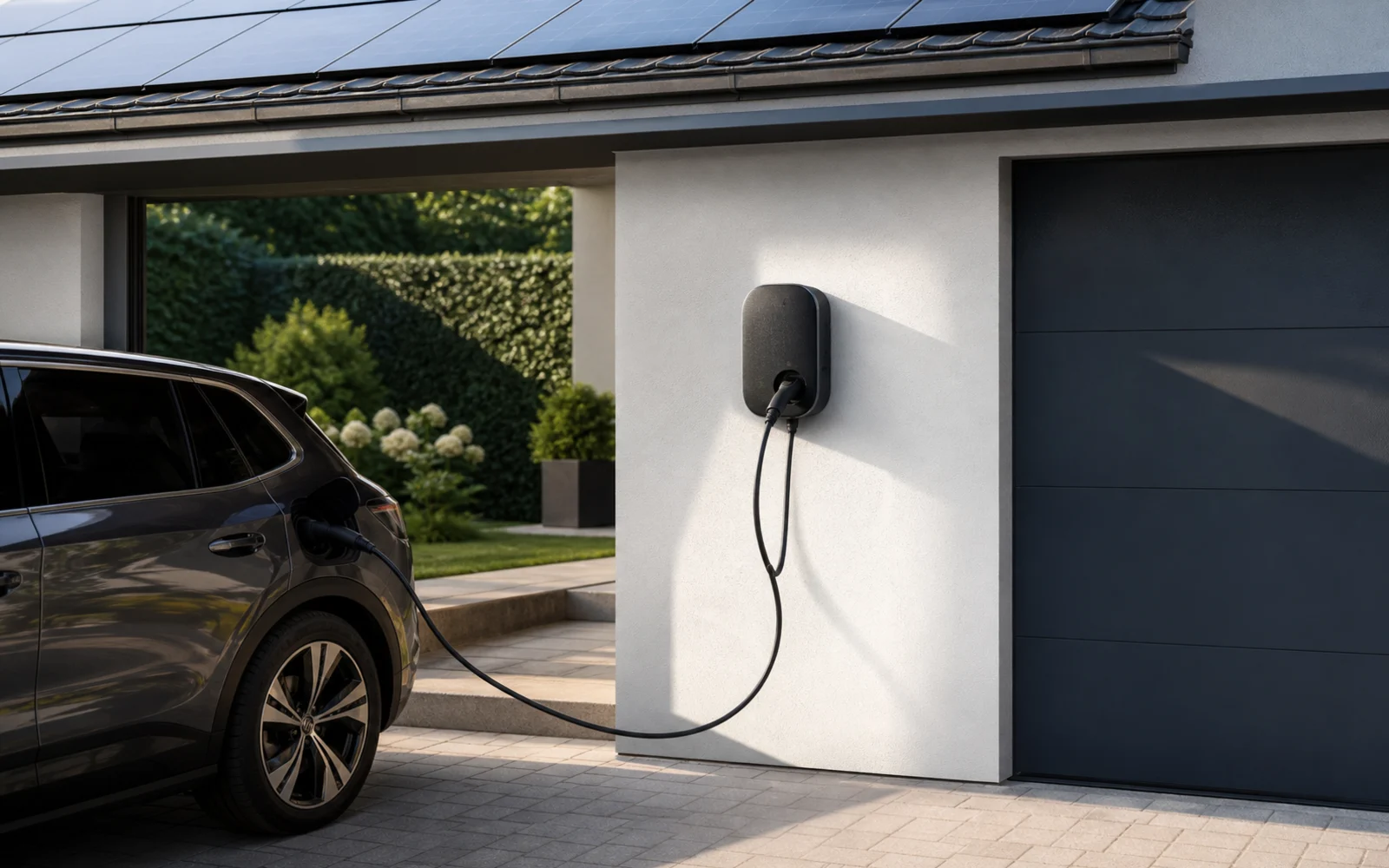
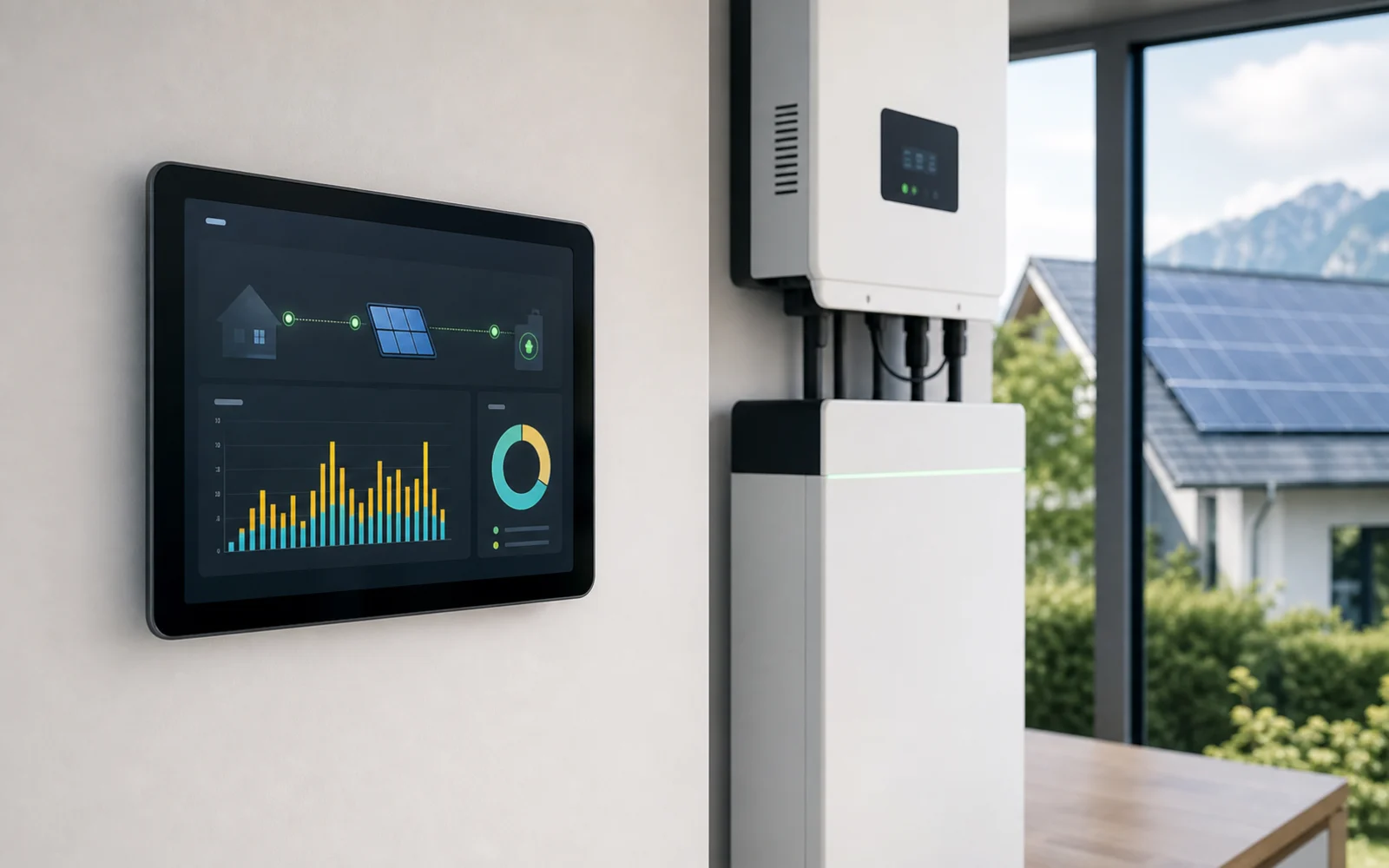
PV system, heat pump, storage, wallbox and monitoring from one team. Every service is planned as part of a working energy system.
01 / 05


01 · Roof & facade
We review roof, structure, shading, cable routing, inverter and grid connection. Then we create a technically reliable quote.
Roof review · Electrical coordination · Commissioning
01 / 05
Process
From first contact to commissioning, every system follows a clear process. We clarify roof, electrical work, incentives and expansion path completely. Only then do you receive a reliable quote. No site chaos, no wishful math.
System step
About 2 minutesYour key details are enough for a first, honest orientation — no appointment, no obligation.
System step
Response within 24–48 hWe measure the roof by drone and clarify electrical work, regulations and the grid operator.
System step
A few days after the surveyYou see every line item individually, realistic ranges and sensible options such as storage or a wallbox.
System step
After permit and grid-operator approvalWe coordinate execution, registration, acceptance and documentation until your system is reliably connected to the grid.
Swiss facts
One-time remuneration
Federal support depends on system type and size band. Vigorek clarifies which remuneration rate applies to your property and how it interacts with canton and grid operator.
Storage as a system decision
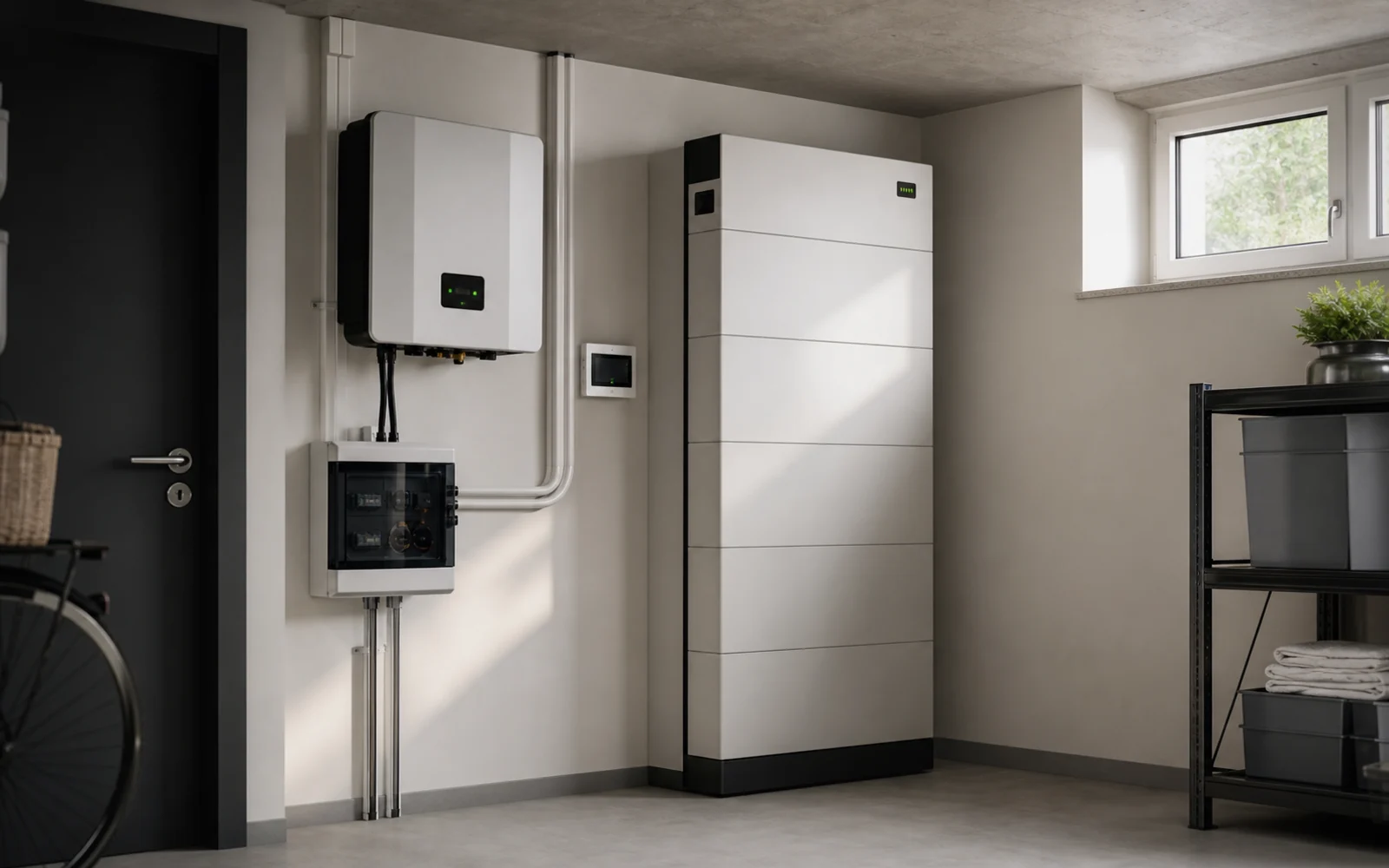
A battery only pays off when it fits your consumption and home technology. We assess it as part of the overall plan — not as a late upsell.
Realistic payback
We calculate with ranges instead of wishful numbers: self-consumption, remuneration and tariff logic together give a realistic picture of your economic return.
Economics
We map self-consumption, feed-in tariff and payback for your property — so you see early what the system realistically returns.
Proof
Our quotes are not built from flat packages, but from checked data, technical pre-assessment and clearly itemized positions.
Planning basis
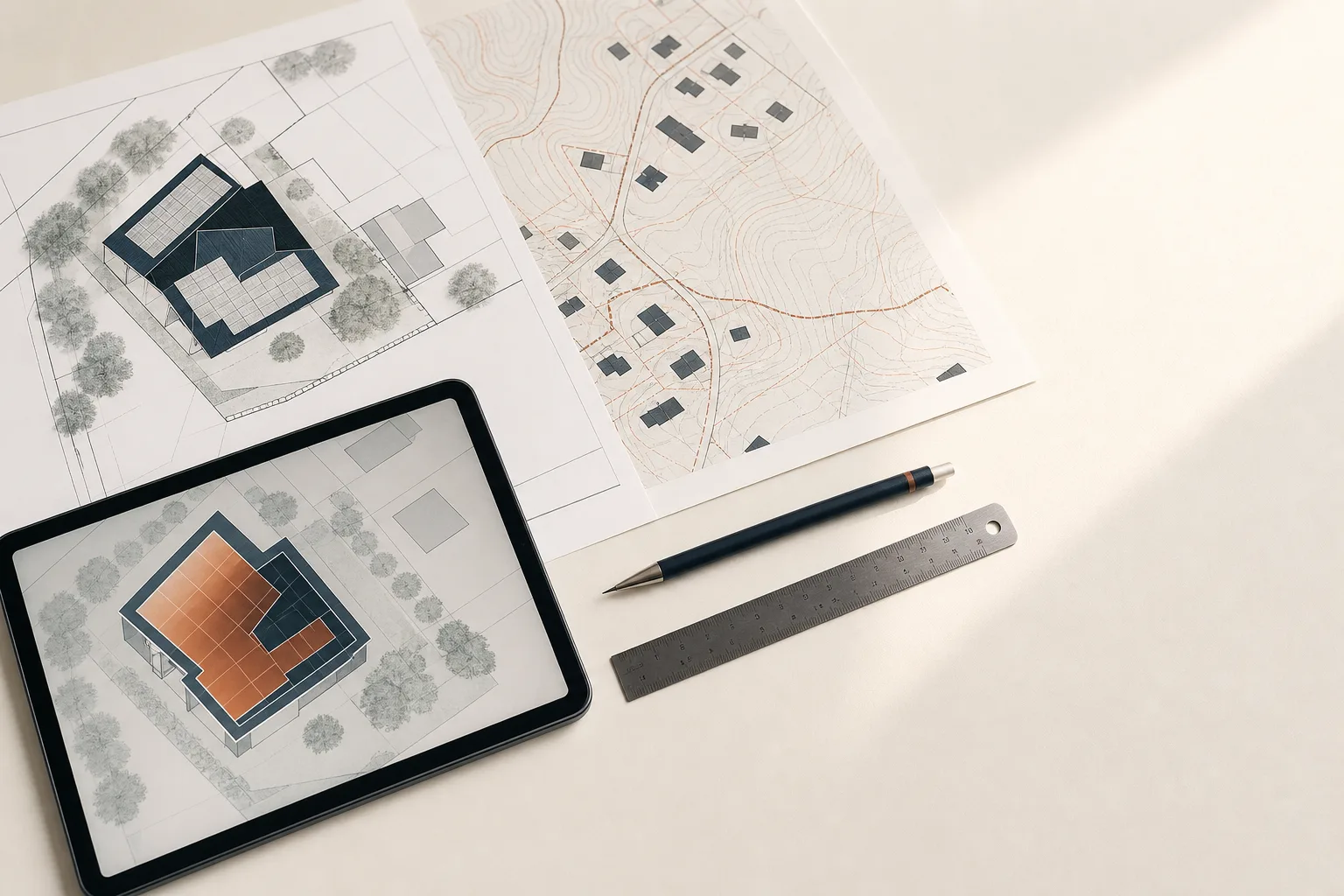
Roof potential, irradiation and addresses are checked against GeoAdmin and BFE Sonnendach: the same datasets used by federal and cantonal bodies.

Property review
The initial estimate gives realistic orientation. For the final quote, we capture roof areas, access and technical conditions through a 3D survey (drone) and on-site review — precise, not based on satellite assumptions.

Electrical
From electrical planning through protection equipment to grid registration: all safety-critical steps are carried out by licensed electrical professionals, in-house or through vetted partners.

Quote
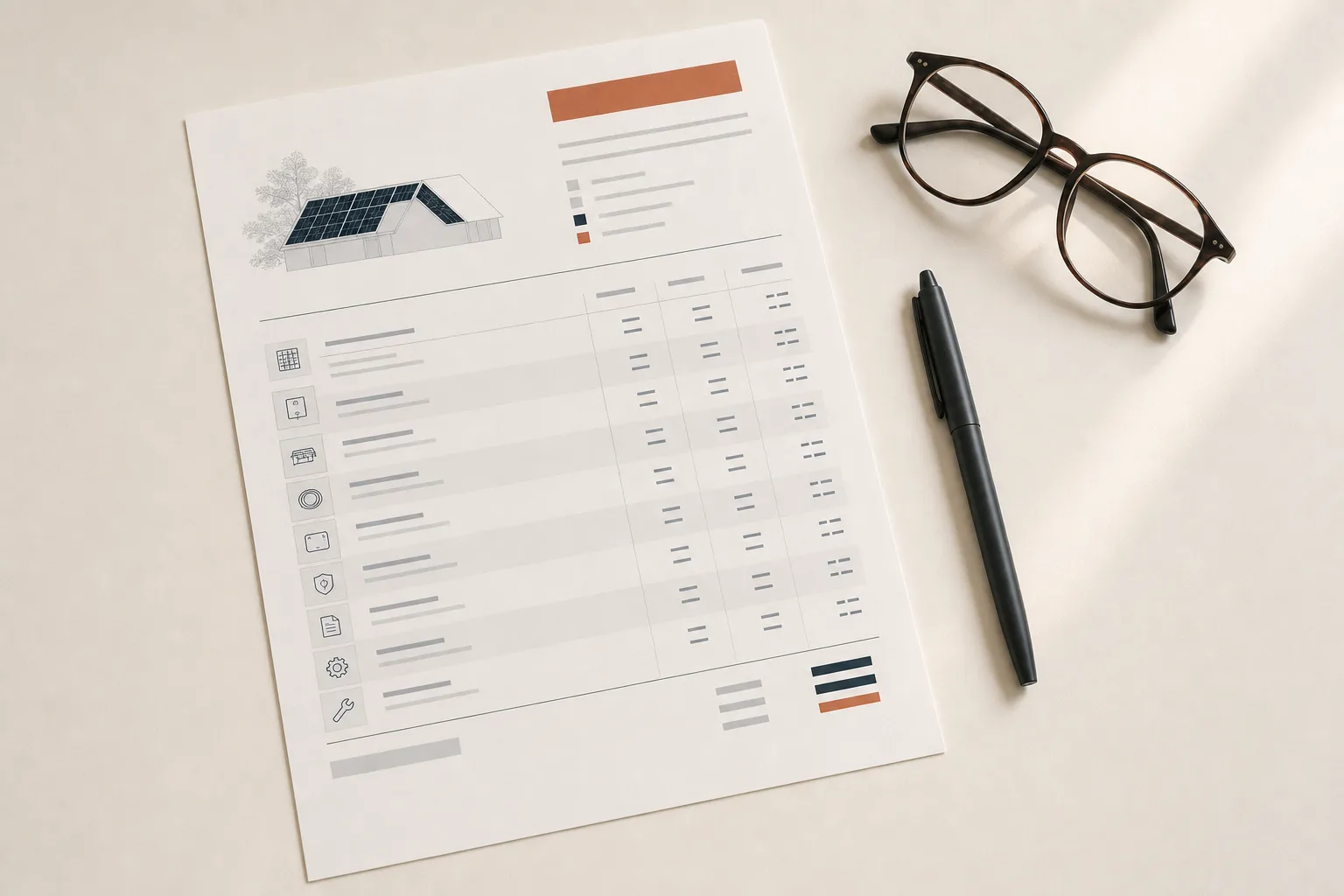
Every line item is shown individually instead of hidden in a flat package — so variants and ranges stay traceable from the start.

Execution standard
Regional clarification
In Switzerland, permits, grid operator, metering concept and incentive path always depend on the property, municipality and canton. These are exactly the points clarified early before a quote becomes binding.
That avoids a generic promise and creates a well-founded assessment that fits the region and the building.
Components by
The Founders
You know before signing who calculates your project and who builds it. Behind that are two founders with two areas of expertise — engineering and finance — and the conviction that a solar system only works long-term when both fit together from the start.

Christian Freiberger
CFA · former KPMG Senior Manager
Co-Founder · Strategy & Finance
Independent management consultant since 2015, previously Senior Manager at KPMG. Most recently Interim Treasury Manager at an energy storage manufacturer. Christian brings the financial structure: liquidity planning, transparent calculations and no project whose numbers don’t add up.

Marc Hammerschmidt
B.Eng. Mechanical Engineering
Co-Founder · Engineering & Planning
Marc handles the technical side: planning, structural analysis, system integration and execution that remains traceable a decade later. An engineering mindset means no improvisation, only well-reasoned solutions for every roof.
Questions about your roof? We’ll go through them with you personally — the initial estimate is the easiest way in.
Building in focus
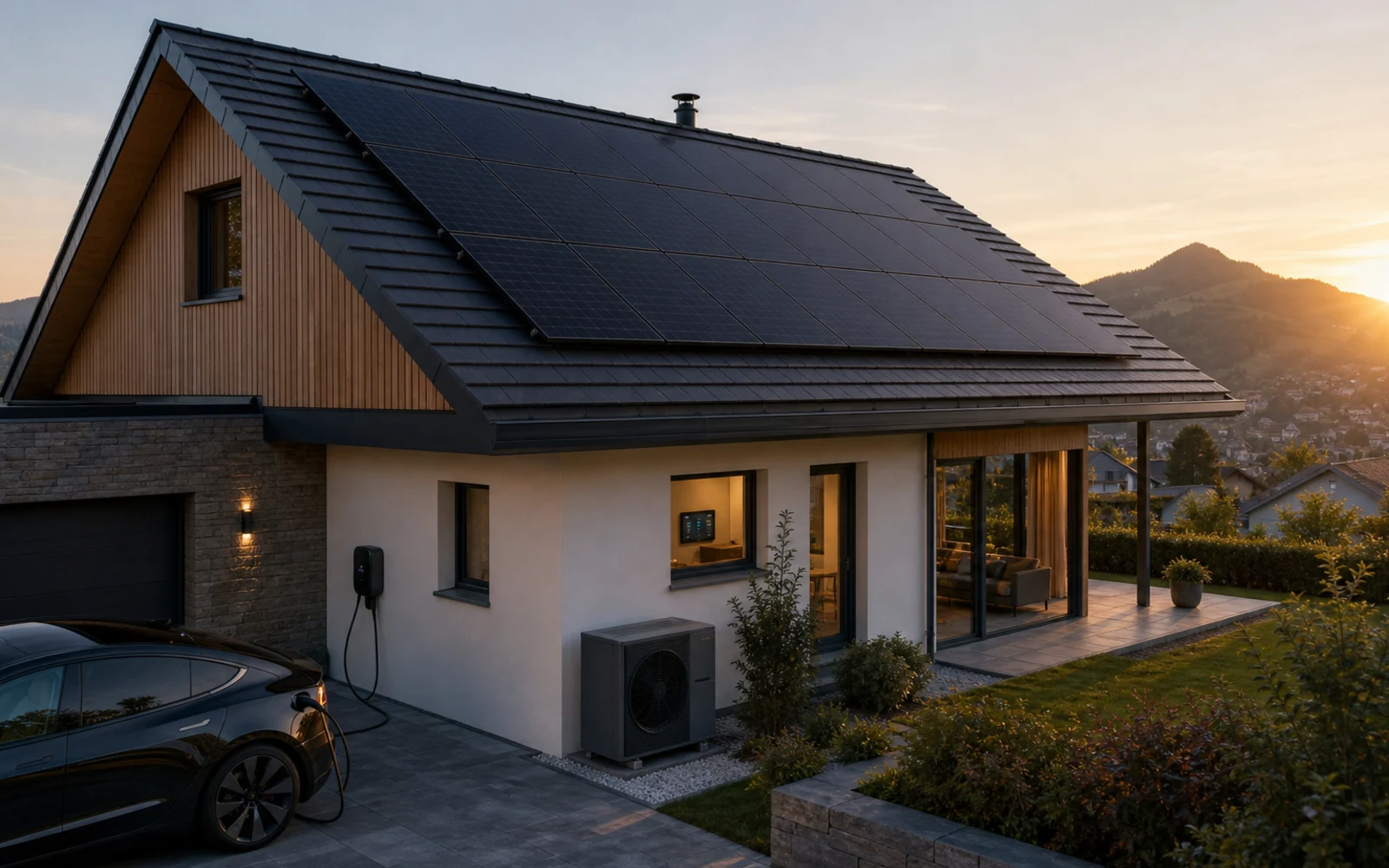
Full-black, in-roof or flat-roof: in Glarus we plan not for a datasheet, but for a building that has to stand up architecturally and within its local context.

Architecture first
In Glarus, materiality, visual lines and technical details are aligned so the system fits the design language and performs cleanly over time.
Mounting, waterproofing, shading and electrical work are clarified on the actual building — not on a model.
The system grows precisely into the building: tight penetrations, protected facade, modules sliding into the rails, and an aesthetic that fits the architecture instead of disturbing it.
The inverter, registration and documentation are done, cable routes and labels stay traceable, and the roof becomes a calm, reliable energy source for everyday use.
Mounting, waterproofing, shading and electrical work are clarified on the actual building — not on a model.
The system grows precisely into the building: tight penetrations, protected facade, modules sliding into the rails, and an aesthetic that fits the architecture instead of disturbing it.
The inverter, registration and documentation are done, cable routes and labels stay traceable, and the roof becomes a calm, reliable energy source for everyday use.
Clarity before commitment
The key points are explained clearly, factually and without artificial urgency. For details, we assess your property in its project context.
Municipality check
Single-family homes, agricultural buildings and smaller commercial roofs need different mounting systems. Before quoting, we review roof membrane, cable routing, inverter location and possible scaffolding logic.
Glarus belongs to Canton Glarus. We therefore combine the local roof assessment with cantonal requirements for subsidies, permits, grid connection and documentation.
Canton Glarus guideline: approx. 1050 kWh/m² global irradiation per year.
Relevant grid operators in the canton: TBGN. Metering concept and registration are clarified before execution.
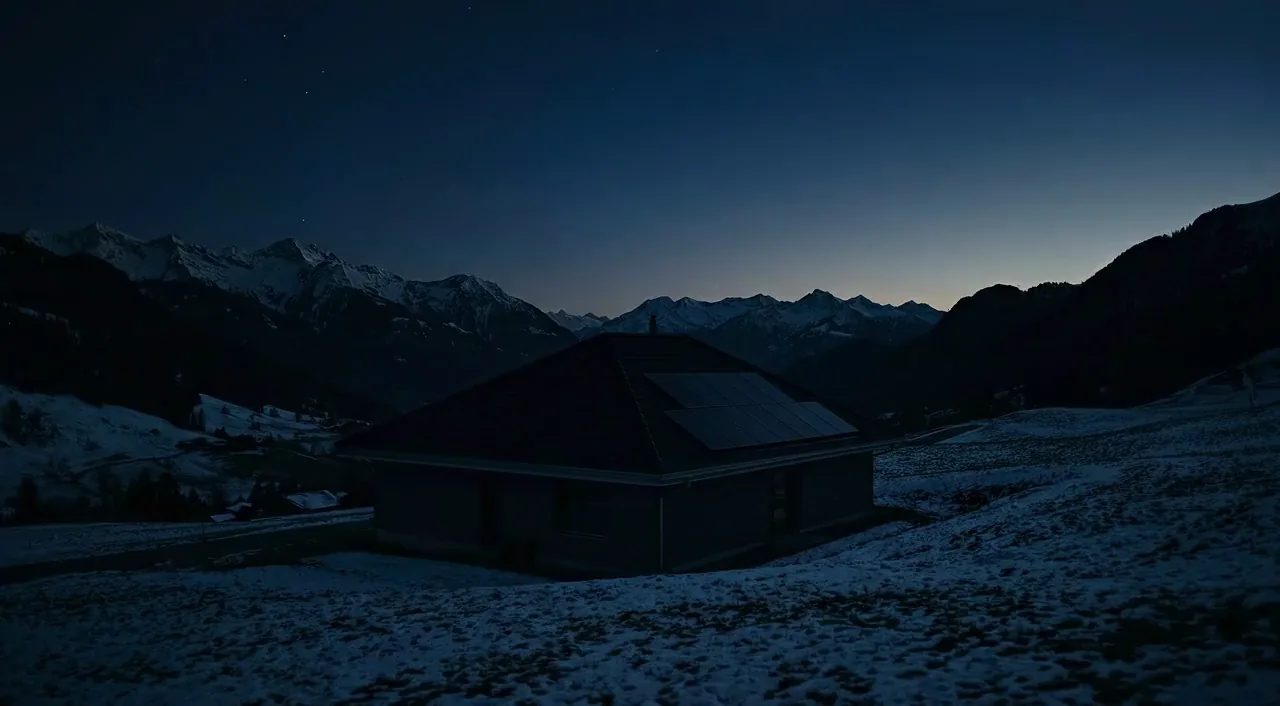
Normal notification procedure. In narrow alpine valleys with short sun windows, facade systems (75-90°) are preferred and often have simplified permits. Tourism infrastructure: hotels and mountain restaurants with special rules.
CHF 250/kW winter PV bonus supports facade strategy. TBGN: from 2026 quarterly market price, minimum 6 Rp./kWh guaranteed. No additional cantonal subsidies, but targeted winter electricity focus.
In the region
Your key details produce a first orientation on price range, incentives and payback — a solid basis to talk through your project.
A realistic span for your roof — not a rounded sales promise.
Electrical scope, metering and grid connection belong to the calculation from the start, not to a surprise afterwards.
If it fits, a traceable quote follows. If it doesn’t, we’ll tell you that openly.
Start here
Quick to complete, concrete as a starting point for your building — and no obligation.
Direct contact
If you prefer to speak directly or already have documents and project context at hand, you can reach us through the usual channels.
Works well for
Roof plans, photos, existing quotes, questions around electrical coordination or already defined project timelines.
Phone
Location
Kirchweg 32, 8102 Oberengstringen, Zürich, CH
Coverage
Planning, PV installation, electrical coordination and commissioning across German-speaking Switzerland.
Core services
The key services, tailored directly to Glarus and the local requirements in your region.
Regional service
As a mountain canton, Glarus relies on combining hydropower and solar for year-round renewable supply. TBGN (Technische Betriebe Glarus Nord) operates its own hydroelectric plants (~32 GWh) and takes in over 3.3 GWh/year from local PV systems – with enhanced compensation for systems ≤30 kVA. South-facing slopes deliver up to 15% higher PV yields than lowland locations.
View serviceRegional service
In Canton Glarus, solar power fills the seasonal gaps of hydropower: when winter water levels drop, PV systems on south-facing slopes reliably deliver electricity. TBGN compensates small systems ≤30 kVA at higher tariffs with a guaranteed minimum of 6 Rp./kWh. This water-sun synergy requires project management that considers grid capacity and seasonal load profiles.
View serviceIn Canton Glarus, flat roofs on commercial buildings and multi-family homes represent the largest untapped solar area. The Glarus energy law is based on MuKEn 2014. New buildings must cover part of their electricity demand from renewable sources. At the 2021 Landsgemeinde, the energy law was significantly tightened.
View serviceThe locations directory gives you an overview of all cantons and municipalities and takes you straight to the information for your region.